




Choosing between certified pre-owned and used cars is one of the most common decisions for American car buyers looking for affordability without sacrificing quality. Both options offer savings compared to new cars, but each comes with different levels of risk, warranty coverage, and overall value. This guide clearly explains both choices so U.S. buyers can make an informed decision.
Table of Contents
Understanding the Difference Between Certified Pre-Owned and Used Cars
A certified pre-owned vehicle, commonly known as a CPO, is a used car inspected and certified by the manufacturer or authorized dealership. A regular used car is sold as-is, without manufacturer-backed assurances.
What Makes a Car Certified Pre-Owned
- Strict manufacturer inspection
- Limited mileage and newer model years
- Warranty included
- Roadside assistance offered
- Higher price due to certification
What Defines a Regular Used Car
- No certification
- Sold by either private sellers or dealerships
- Cheaper upfront cost
- Condition varies widely
- Usually sold without warranty
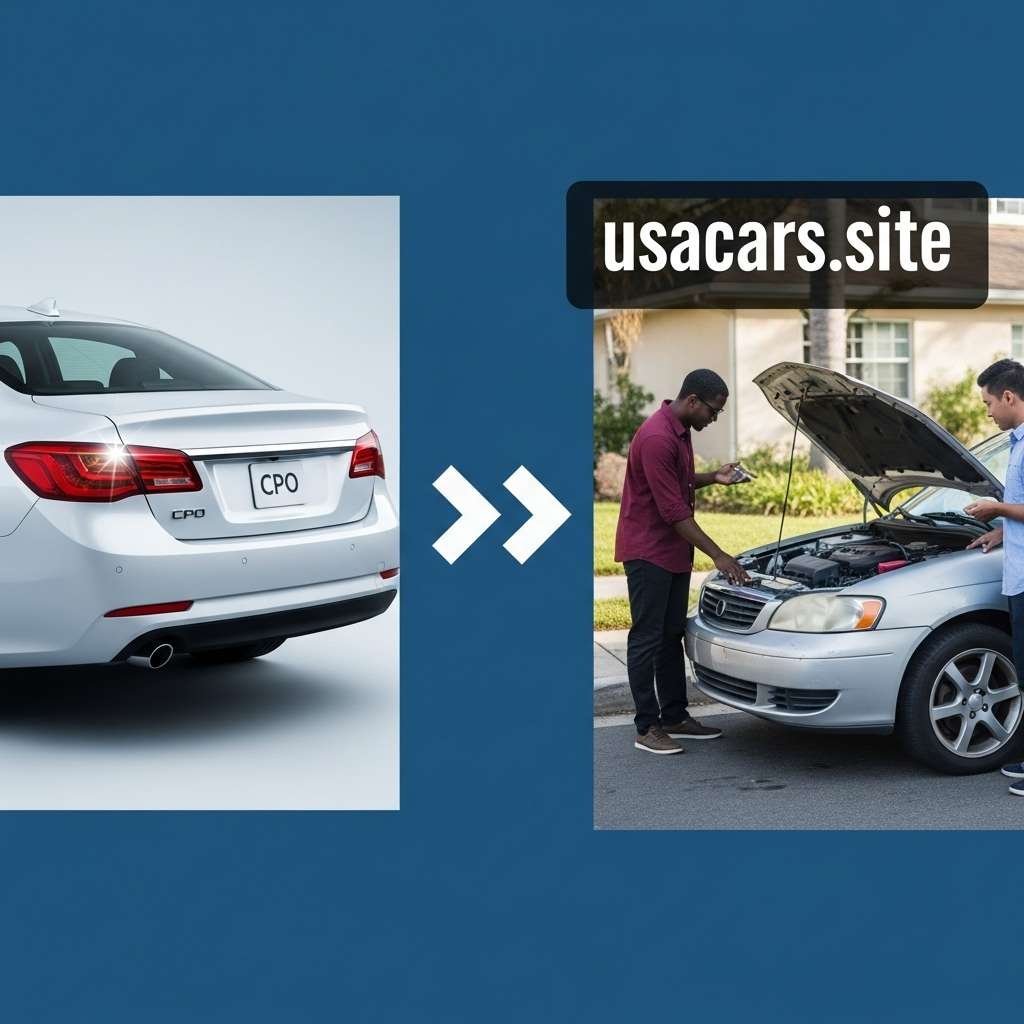
Certified Pre-Owned vs Used Cars: Price Comparison
Price is one of the biggest factors for American buyers. CPO vehicles cost more but provide extra protection. Used cars are cheaper but may require more repairs.
Average Price Comparison Table
| Type | Typical Price Range | Warranty Included |
|---|---|---|
| Certified Pre-Owned | Higher than used cars | Yes |
| Regular Used Car | Lowest price option | No (unless purchased separately) |
CPO cars usually cost several thousand dollars more than similar used models due to inspection and certification standards.
Certified Pre-Owned vs Used Cars: Warranty and Protection
Warranty coverage is a major difference between the two.
CPO Warranty Benefits
- Manufacturer-backed warranty
- Powertrain and bumper-to-bumper coverage
- Extended warranty options
- Additional support like roadside assistance
Used Car Warranty Options
- Typically sold as-is
- Buyers can purchase extended warranties separately
- Condition depends on past maintenance
Certified Pre-Owned vs Used Cars: Inspection and Quality
Certified pre-owned vehicles go through a detailed inspection, while used cars can vary significantly in condition.
CPO Inspection Highlights
- Multi-point inspection
- Reconditioned parts
- Strict cosmetic and mechanical standards
Regular Used Car Condition
- Condition depends on previous owner
- Risk of hidden issues
- Mechanical inspection highly recommended
Where to Buy Certified Pre-Owned and Used Cars
The buying location affects trust, pricing, and buyer protection.
Best Sources for Certified Pre-Owned Cars
- Official manufacturer dealerships
- Authorized certified programs
Best Sources for Used Cars
- Independent dealerships
- Private sellers
- Online marketplaces like CarMax or Autotrader
Private sellers often offer the lowest prices but require more due diligence.
Certified Pre-Owned vs Used Cars: Maintenance and Long-Term Costs
Long-term cost is essential for U.S. buyers looking for reliable budgeting.
Long-Term CPO Costs
- Lower risk of immediate repairs
- Predictable maintenance
- Higher purchase price
Long-Term Used Car Costs
- Potential for early repairs
- Higher risk of mechanical issues
- Lower purchase price offsets early expenses
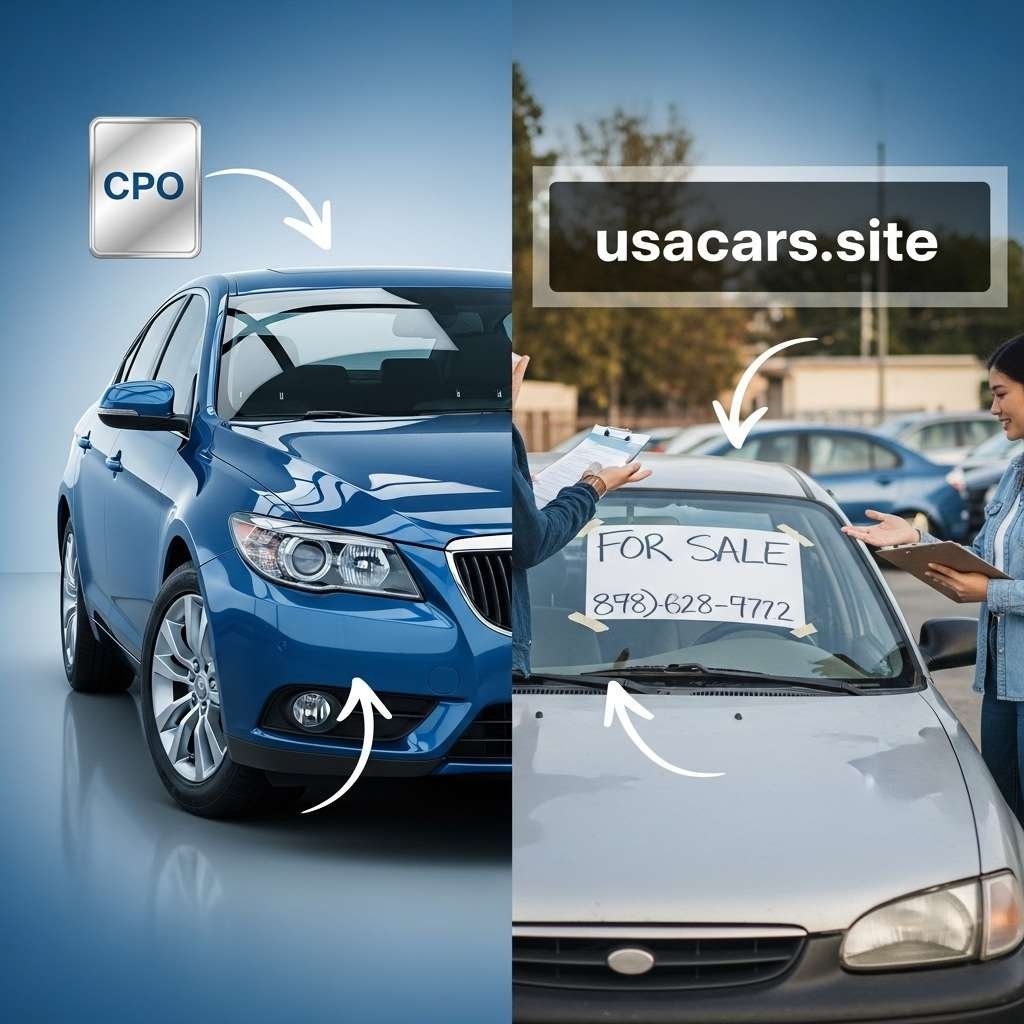
Which Option Is Smarter for U.S. Buyers?
The smarter choice depends on the buyer’s priorities.
Choose Certified Pre-Owned If You:
- Want warranty coverage
- Prefer newer models
- Expect long-term reliability
- Want a lower-risk purchase
Choose a Used Car If You:
- Want the lowest upfront cost
- Are comfortable with inspections
- Don’t need warranty coverage
- Prefer more vehicle choices

Conclusion
Certified pre-owned and used cars both offer valuable benefits for American buyers. CPO vehicles provide peace of mind through inspections and warranties, while regular used cars deliver the lowest prices with more flexibility. The best choice depends on budget, risk tolerance, and long-term needs. By understanding the differences clearly, U.S. buyers can choose the smarter option for their situation.




Leave a Reply